


Strengthening Women’s Leadership Pathways in Zanzibar Through the SWIL Program (2025)
In 2025, Zanzibar recorded a notable expansion in women’s participation in leadership pathways, reflecting growing momentum toward inclusive governance. During the year, 796 women were nominated by their political parties to contest various leadership positions during the 2025 Tanzania General election, marking a significant step in narrowing gender gaps in decision-making and amplifying women’s voices across political and community spaces.
This progress was supported by the Strengthening Women in Leadership (SWIL) Program, implemented under the coordination of Tanzania Media Women’s Association – Zanzibar (TAMWA-ZNZ), the Association of Women with Disabilities Zanzibar (JUWAUZA), the Zanzibar Female Lawyers Association (ZAFELA), and the Pemba Environment, Gender and Advocacy Organization (PEGAO) with strong collaboration and support from the Royal Norwegian Embassy. Throughout 2025, the program focused on strengthening women’s confidence, visibility, and readiness to participate in leadership, while also reinforcing the systems that enable sustainable inclusion.
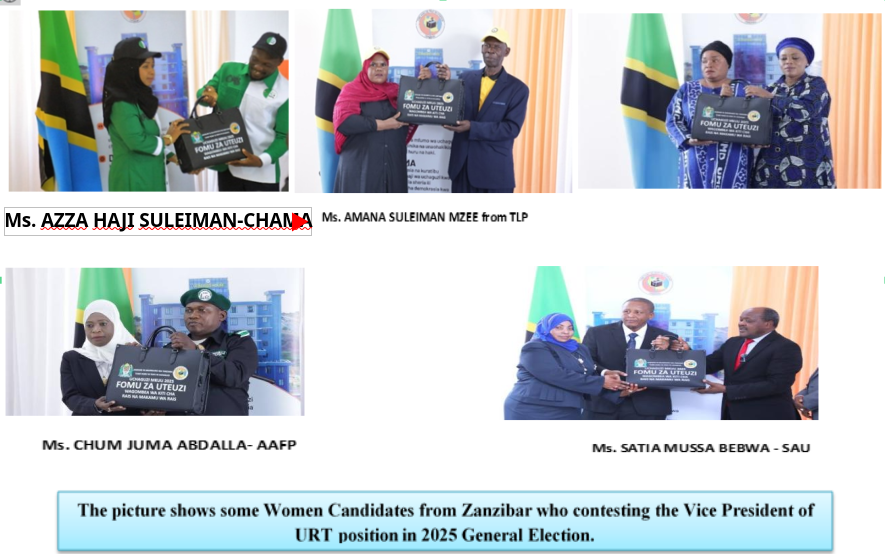
Ms. AZZA HAJI SULEIMAN-CHAMA CHA MAKINI
Over the course of the year, 199 women aspiring to leadership were directly reached through SWIL interventions. Of these, 80 women received intensive leadership and democratic participation training, while 119 women were engaged through community-based Citizen Brigades. As a result, the cumulative number of documented women aspirants increased from 503 to 702, demonstrating a steadily expanding leadership pipeline across Zanzibar.
The picture depicts the trained women candidates in Pemba who contest different leadership position in 2025 General Election Zanzibar
Beyond individual participation, SWIL invested in system-level change. In collaboration with the Office of the Chief Government Statistician (OCGS), 30 government and non-government institutions were capacitated to improve gender data collection and management. This contributed to the development of a national leadership database framework, mapping leadership positions from community to national level, including Shehas, Councillors, Members of Parliament, Members of the Revolutionary Council, and Members of the House of Representatives. This milestone strengthened evidence-based planning and enhanced the visibility of women in leadership.
Participants from government and non-government institutions during a SWIL-supported capacity-building session on improving gender data collection and management, held at the Office of the Chief Government Statistician conference hall, Mazizini, Unguja.
Efforts to promote inclusive governance and access to public services continued through collaboration with the Zanzibar Electoral Commission (ZEC) and other institutions. Improvements in disability-friendly infrastructure, the use of Braille ballot markings, and the continued 50 percent reduction of nomination fees for women reinforced the principle that leadership participation must be accessible to all.
Recognizing that participation must be safe, SWIL worked closely with the Zanzibar Police Force to strengthen women’s security in leadership and public life. These efforts were reinforced through the Early Warning System (EWS), where 47 stakeholders from civil society, government institutions, the judiciary, political parties, and the media were trained to prevent, monitor, and respond to risks of violence against women in leadership.
CSOs held a meeting with Police Commissioner Khamis Kombo Khamis at the Police Headquarters in Ziwani, Urban District, Unguja, to discuss security and protection strategies for vulnerable groups during the election period.
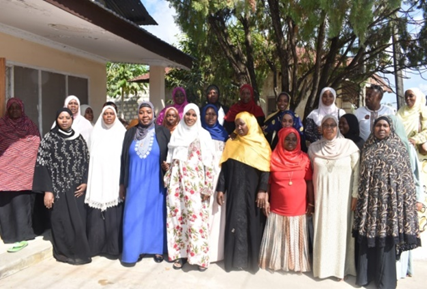
The picture depicts the trained women candidates in Pemba who contest different leadership position in 2025 General Election Zanzibar
The program also invested in the next generation of women leaders. A total of 340 girls from primary schools, secondary schools, and universities were supported to build leadership confidence and civic awareness. One of the most notable outcomes was the formation of the Zanzibar Young Women Leaders Alliance by five university graduates, establishing a platform for youth mentorship and mobilization.
At the community level, SWIL delivered visible impact. Shehia-based committees and citizen groups reduced barriers to education for children with disabilities, facilitated access to 29 wheelchairs, supported school re-enrolment of children who had dropped out, and assisted 42 women to obtain essential legal identification documents. Community dialogues reached more than 500 community members, challenging harmful gender norms and promoting positive perceptions of women’s leadership.
Community members participate in SWIL-supported dialogues led session aimed at transforming harmful gender norms and strengthening support for women’s leadership.
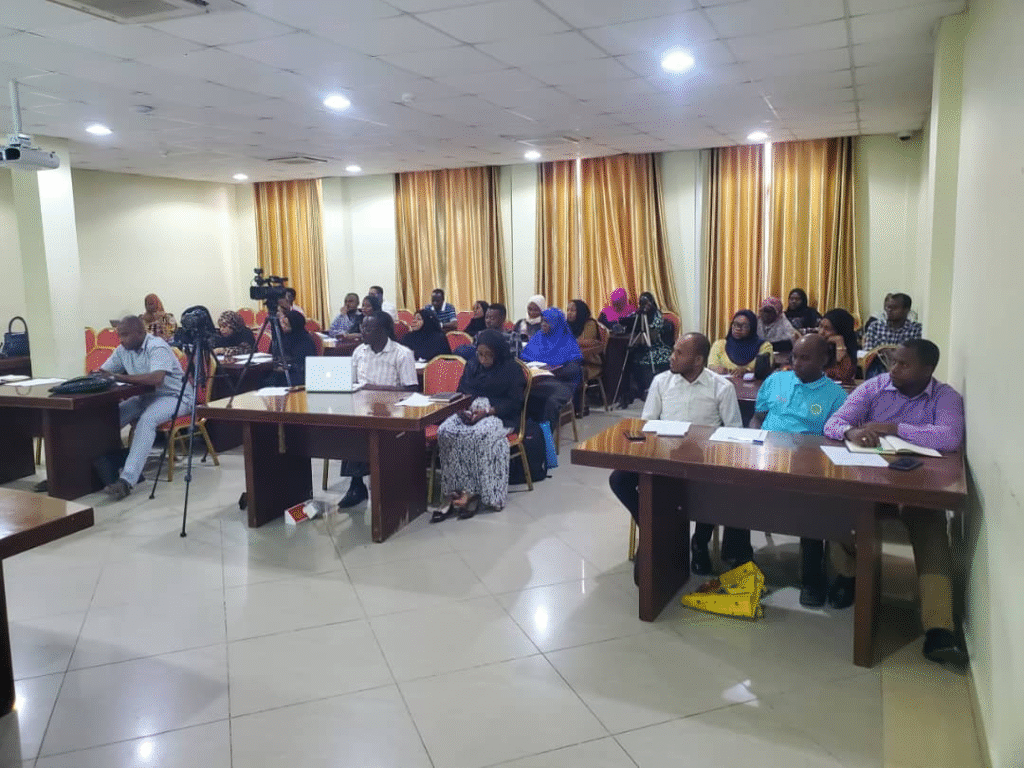
Participants from government and non-government institutions during a SWIL-supported capacity-building session on improving gender data collection and management, held at the Office of the Chief Government Statistician conference hall, Mazizini, Unguja.
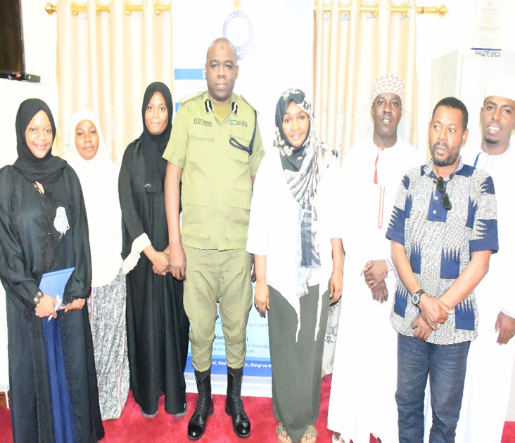
CSOs held a meeting with Police Commissioner Khamis Kombo Khamis at the Police Headquarters in Ziwani, Urban District, Unguja, to discuss security and protection strategies for vulnerable groups during the election period.
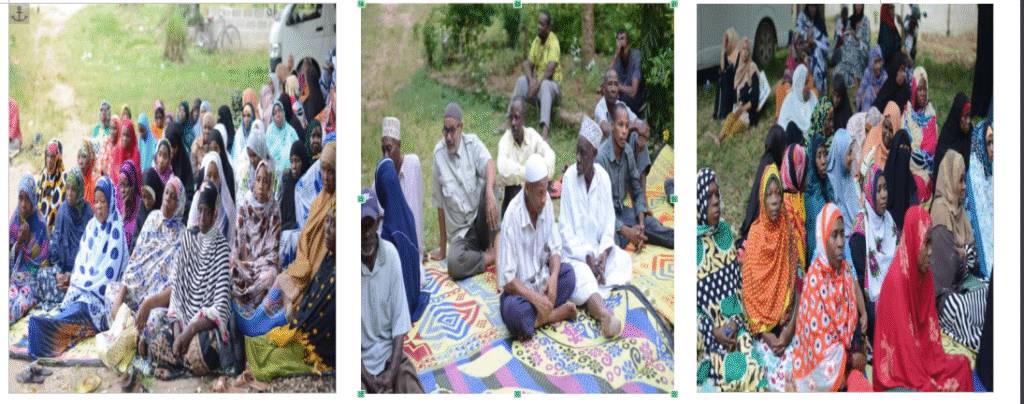
Community members participate in SWIL-supported dialogues led session aimed at transforming harmful gender norms and strengthening support for women’s leadership.
The media remained a powerful driver of accountability throughout 2025. Journalists trained under SWIL program produced 540 stories on key governance and service delivery issues, including transparency in the use of public development funds, accessibility of public infrastructure, and the cost of leadership participation. These reports triggered institutional responses and practical improvements in public systems.
Despite these achievements, challenges persist. In some areas, particularly parts of Pemba, deep-rooted patriarchal attitudes reinforced by religious misconceptions continue to limit women’s leadership opportunities. Low male participation in community dialogues and the need for further capacity strengthening of grassroots committees remain priority areas for future programming.
Overall, SWIL program in 2025 stands as a year of deep system-building and social transformation. By strengthening institutions, empowering women and girls, engaging communities, and amplifying accountability through media and advocacy, the program has reinforced the foundation for a more inclusive, just, and gender-responsive Zanzibar.