
Story one:
ZAMECO Intensifies Efforts to Advocate for the Enactment of a New Media Law in Zanzibar
The Zanzibar Media Experts Committee (ZAMECO), established in 2021, has continued to play a pivotal role in driving reforms within the media sector, particularly in advocating for a modern and progressive Media Services Law for Zanzibar. The committee is composed of five key media institutions including The Tanzania Media Women’s Association, Zanzibar (TAMWA-ZNZ), The Media Council of Tanzania, Zanzibar (MCT), The Zanzibar Development Journalists Association (WAHAMAZA), The Zanzibar Press Club (ZPC), and the Tanzania Human Rights Defenders Coalition, Zanzibar Chapter (THRDC). Together, these organizations are committed to improving the working environment for both media outlets and journalists across Unguja and Pemba.
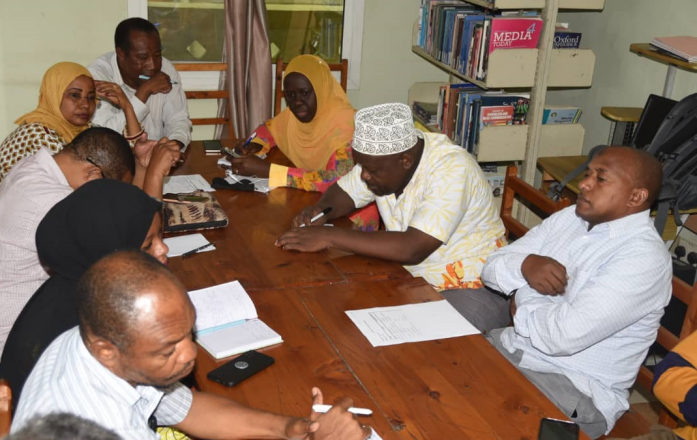
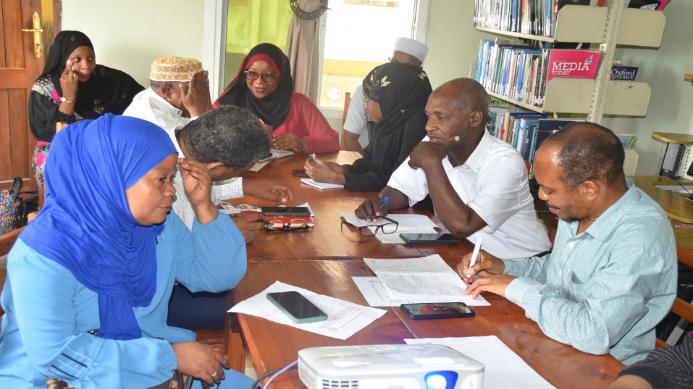
Some members of the Zanzibar Media Committee engaged in discussions on strategies to continue lobbying and advocating for Freedom of Expression (FOE) and the enactment of a media-friendly bill in Zanzibar.
The committee conducted a review of 12 laws that contain restrictive provisions which hinder press freedom and access to information. Among the most notable are the Registration of News Agents, Newspapers and Books Act No. 5 of 1988 as amended by Act No. 8 of 1997, and the Zanzibar Broadcasting Commission Act No. 7 of 1997 as amended by Act No. 1 of 2010 both of which are foundational to the media sector. The laws grant broad discretionary powers to the authorities, including the registration and deregistration of media outlets without due legal process; permit police inspections; impose harsh penalties on defaulters; criminalize defamation; and lack provisions for the protection of journalists, social media, and the right to access information.
Highlighting the importance of this work, ZAMECO Vice Chairperson Dr. Mzuri Issa noted:
“For many years, journalists have operated under difficult and restrictive laws that undermine the same rights that are supposed to uphold. As a committee, we are determined to push for a modern media law that protects the freedom, safety, and integrity of journalists.”
Former Minister of Information, Youth, Culture, and Sports, Tabia Maulid Mwita, also acknowledged the committee’s contribution. “The recommendations from media stakeholders have shed light on critical areas requiring reform. This collaboration is essential for the advancement of the media sector,” she said.
Beyond policy advocacy, ZAMECO has also worked to enhance journalists’ understanding of their rights, responsibilities, and safety particularly in promoting democratic principles and accountability. This includes reviewing draft bills, engaging government officials, and working closely with political and community leaders to ensure the media is accorded the respect and space it deserves.
Support for media law reforms has also been voiced within the Zanzibar House of Representatives, during a budget session, the Representative of Mtambwe Constituency, Dr. Mohammed Suleiman, emphasized: “We cannot build a modern economy or a transparent government without a free press. It is time for Zanzibar to adopt strong and protective media laws.”
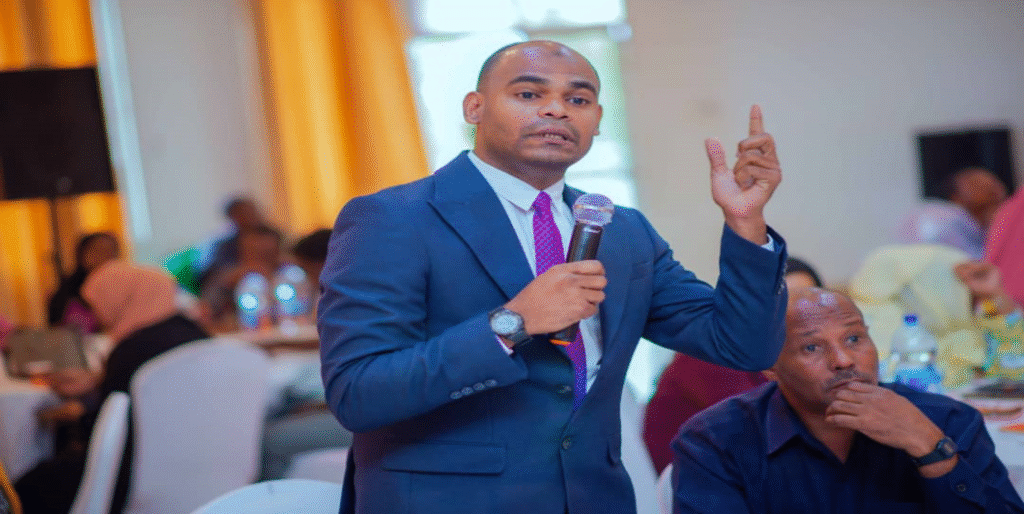
We cannot build a modern economy or a transparent government without a free press. It is time for Zanzibar to adopt strong and protective media laws.” Said Dr. Mohammed Suleiman, the Representative of Mtambwe Constituency.
Today, ZAMECO’s advocacy stands as a foundation for renewed dialogue on media law reform in Zanzibar an essential process that is expected to strengthen press freedom, enhance professional standards, and safeguard journalists, especially during sensitive periods such as elections.
Overall, ZAMECO’s continued engagement demonstrates a strong and unwavering commitment to promoting transparency, accountability, and the fundamental right to access and disseminate information in Zanzibar.